Utilization Ratios
Keeping credit card balances below 30% of the limit is the most critical metric for maintaining a high score.
A technical guide for Canadian parents on establishing a robust credit profile for minors before they reach the age of majority.
Standard Credit Score Range in Canada
Minimum Age to Sign Credit Contracts
Weight of Payment History on Score
In the Canadian financial landscape, Equifax and TransUnion are the primary credit reporting agencies. They operate as data aggregators, collecting information from lenders, utility companies, and public records to generate a comprehensive credit report. For minors, a credit file typically does not exist until they apply for their first credit product at age 18.
However, the history of financial behavior starts long before the first loan. Understanding how these bureaus calculate risk is essential. They utilize the FICO or VantageScore models, focusing on factors such as credit utilization, length of credit history, and the diversity of credit types. Parents can utilize Junior High-Interest Accounts to demonstrate cash flow management before formal reporting begins.
"Credit reports are essentially the digital resume of a person's financial reliability. In Canada, maintaining a score above 760 is considered excellent and provides access to the lowest interest rates available."
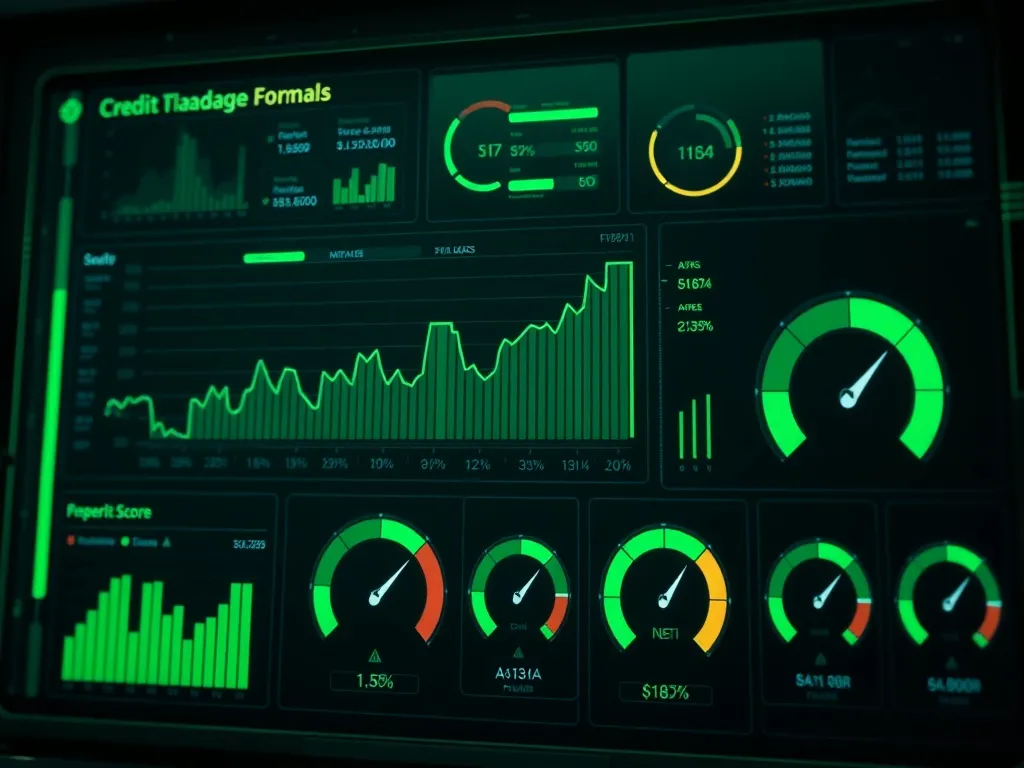
Source: Canadian Credit Bureau Infrastructure Report
Keeping credit card balances below 30% of the limit is the most critical metric for maintaining a high score.
Multiple "hard inquiries" in a short period can lower a score by 5-10 points per occurrence.
The average age of accounts accounts for 15% of the total credit score calculation in Canada.
A healthy profile includes various types of credit, such as installment loans and revolving credit.

The Financial Consumer Agency of Canada (FCAC) regulates how banks interact with consumers regarding credit. It is mandatory for lenders to provide clear disclosure of interest rates and fees. For parents, teaching children to read these disclosure statements is a fundamental step in credit education.
Monitoring credit reports for errors is equally important. In Canada, consumers are entitled to one free credit report per year from both Equifax and TransUnion. Integrating these checks into a yearly family financial review helps identify potential identity theft or data entry errors early.
Download our technical checklist for adding a minor as an authorized user and compare the best junior bank accounts in Canada.