Market Analysis 2024

Prepaid Visa and Mastercard Options for Minors

An objective technical review of reloadable payment instruments available in the Canadian market. We analyze the intersection of fintech security, parental oversight, and merchant-level restrictions for users under 18.

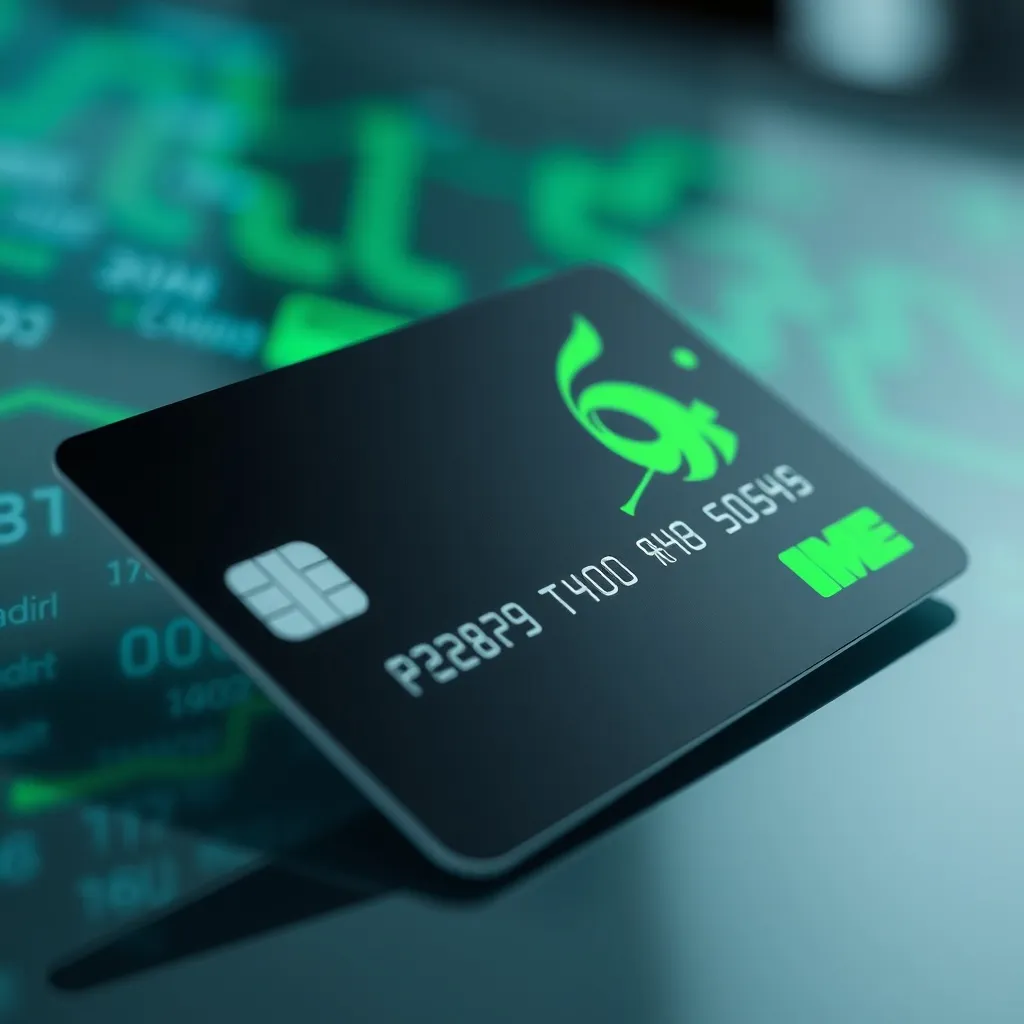
A close up of a modern sleek black and neon green prepaid de

Instant Liquidity

Reloadable cards provide immediate access to funds transferred from a parent's primary account. Unlike traditional bank transfers that may take 24-48 hours, modern fintech solutions utilize Interac e-Transfer or direct API hooks to ensure funds are available within seconds.

Learn about benchmarks

Zero Debt Risk

These instruments operate strictly on a pre-funded basis. There is no overdraft facility or credit line, meaning minors cannot spend more than the balance provided. This serves as a primary safeguard against early-age debt accumulation and financial mismanagement.

Building credit history

Digital Integration

Full compatibility with Apple Pay and Google Wallet is standard for top-tier Canadian providers. This allows for contactless payments via smartphones and smartwatches, aligning with the hardware-centric spending habits of the Gen Z and Gen Alpha demographics.

Software tools

Technical Framework of Parental Controls

The core value proposition of a youth-oriented prepaid card lies in its administrative backend. Parents act as primary account holders, delegating spending power to sub-accounts held by their children. This architecture allows for real-time monitoring of every transaction, including merchant names, timestamps, and exact geographic locations where the card was processed.

According to 2023 industry data, 84% of Canadian parents prefer cards that offer "push notifications" for every transaction. This immediate feedback loop allows for proactive discussions regarding spending choices. Furthermore, the ability to "freeze" or "lock" the card instantly via a mobile application provides a layer of security that traditional plastic debit cards often lack.

"The shift from physical cash to monitored digital ledgers represents the most significant change in adolescent financial education in the last three decades." — Fintech Insights Report

Advanced platforms now include "Task-to-Reward" automation. Parents can set specific household chores or academic goals within the app; once the minor completes the task and the parent verifies it, the system automatically triggers a transfer to the prepaid card. This links labor directly to capital, reinforcing the value of earned income.
Merchant Category Code (MCC) Blocking

Not all spending is equal. To protect minors from age-inappropriate industries, prepaid card issuers utilize MCC filtering. This technology allows the system to automatically decline transactions at specific types of establishments based on their registered merchant code.

  • Automatic Restrictions: Default blocking of liquor stores, online gambling sites, and adult entertainment venues.
  • Custom Limits: Parents can set daily or weekly spending caps for specific categories like "Gaming" or "Fast Food."
  • icon-e ATM Control: The ability to enable or disable cash withdrawals entirely, forcing a 100% digital paper trail.

Statistical Impact

Transaction Transparency 98%
Parental Satisfaction 91%
Reduction in Impulse Spending 40%

Source: Pinebrook Internal Financial Literacy Survey, Q4 2023.

Implementation Timeline

Identity Verification

Parent provides KYC (Know Your Customer) documentation. Minors in Canada generally do not need a credit check for prepaid products.

Digital Card Issuance

The virtual card is generated instantly within the app. It can be added to mobile wallets immediately for online and NFC payments.

Rule Setting

Establishing the "House Rules" in the app settings, including auto-reload triggers and merchant category blocks.

Ready to modernize your family's finances?

Explore our full range of financial education tools and compare the best child-friendly banking options in Canada today.